Win Fast Forest

September
21st

One Year Celebration

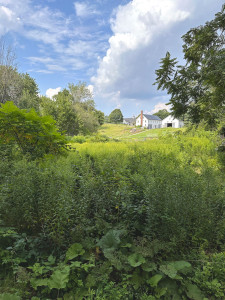
Win Fast Forest logo Grow Local for the Planet partnered with Wright-Locke Farm to plant and maintain our “fast” forest at the farm.

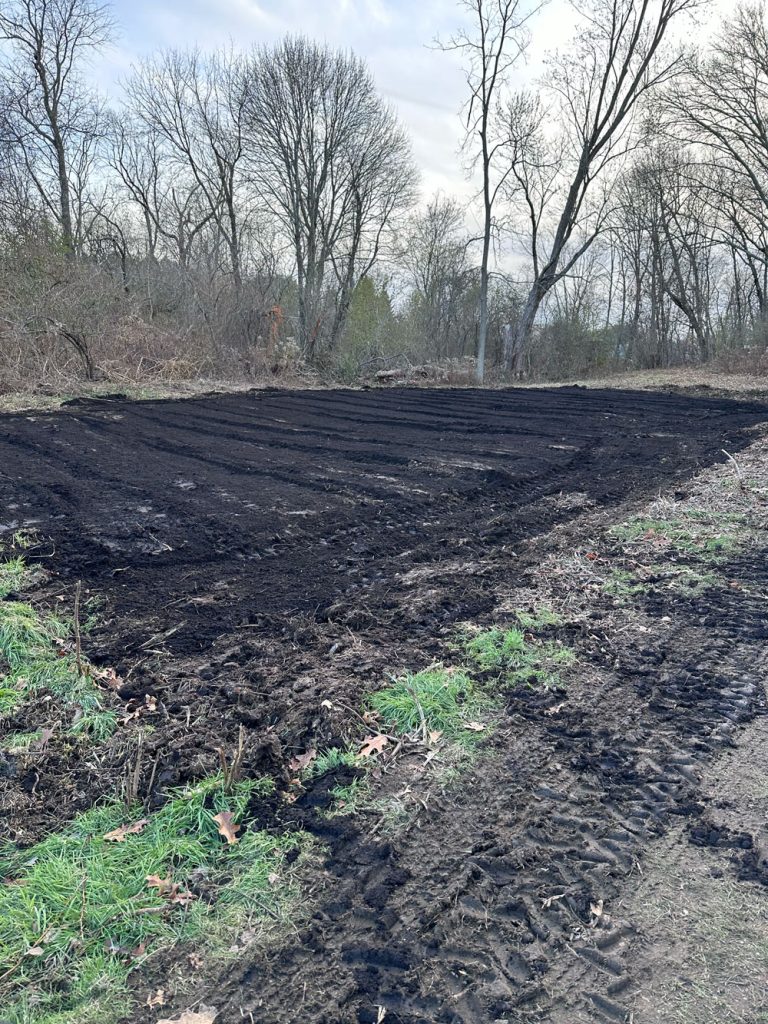
Our goal was to restore a bit of Low Habitat Value agricultural wetlands by the farm’s pond to a High Habitat Value mature forest. We used the “Miyawaki” method of forestation, which speeds up tree growth to one-third or less of the usual time. Creating ideal conditions for tree growth, and planting native species at high densities, means a forest in about 30 years instead of the expected 150.

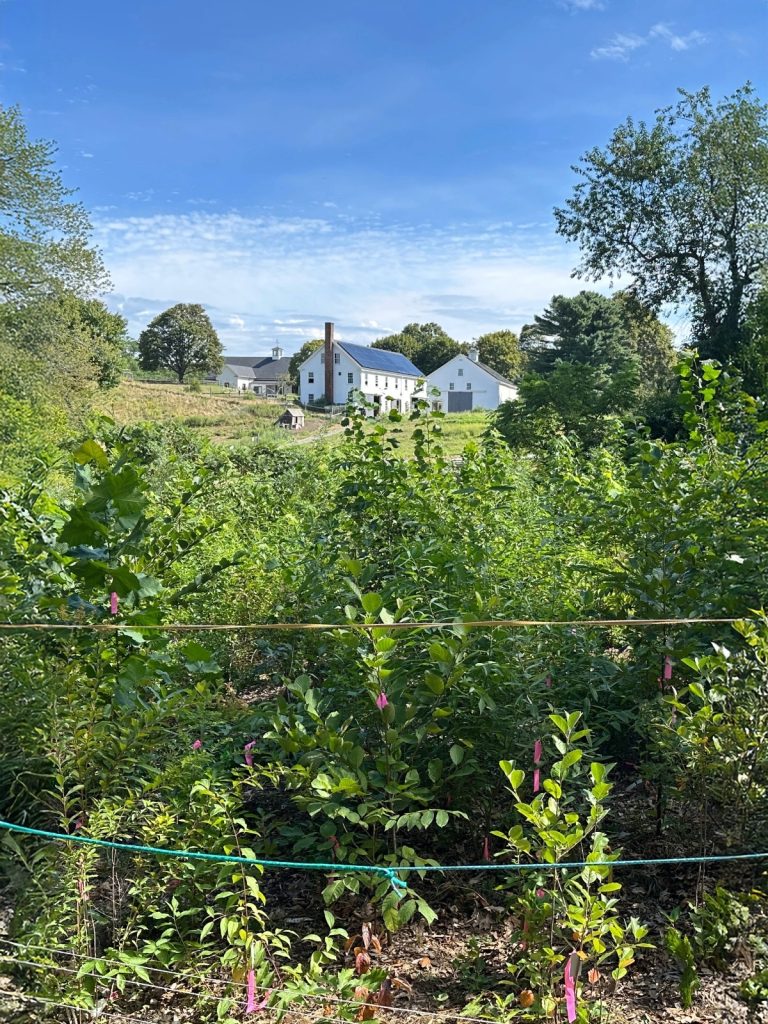
A Fast Forest is 51 percent forest, 49 percent community. Thank you for your donations and grants, for all the volunteers from early prepping of the area to planting the native trees (in the pouring rain!), weeding and mulching the starting forest, and more weeding in the first year or watching and measuring it as it grows.
There is no Event

RESOURCES

Our list of native shrubs and trees (pdf)  planted September 21, 2024 in the 5000 square foot wetland area at Wright-Locke Farm. About 1200 plants / 39 native species (16 trees/23 shrubs) were planted.

What is a Miyawaki forest?
Watch this video to learn about a miyawaki forest planted in Cambridge MA.
Video by the Christian Science Monitor

The Fast Forest project was planted at Wright-Locke Farm Conservancy. It’s part of a global movement to restore forests as fast as possible. By supercharging the soil and planting native mature-forest species, we can grow New England forest in 20 years instead of the 150 years.

In fact, we expect the stick-like baby trees we planted on September 21st to be taller than any of us by the end of Year Two. And some will live for up to 500 and 600 years.

How to Arrange and Plant a Miyawaki-style Forest 

Watch this video and learn how students and volunteers placed and planted our 1200 plants in the Win Fast Forest. This Miyawaki forest is densely planted with 39 native species. Each plant must be at a certain distance from the next plant and should have a different species next to it – to mirror the randomness in nature. 

In the video, Renee and Raja Abdelmalek show you the 3 steps : Plant Handling, Plant Location, and Planting. On Thursday Sept. 19th, students from the high school arranged the plants for the final planting day, Sept 21st 2024.

WIN Fast Forest Presentation:
One baby chickadee “costs” 1000 caterpillars?!? What?! 

Watch this video and learn about the cost of chickadees (& other birds), why caterpillars rock, and why mature forests are crucial to the earth’s wellbeing.  Prassede Calabi (PhD) will discuss what forests have to do with food pyramids, why we all need to eat our ‘brights’ and how to keep those chickadees going.